

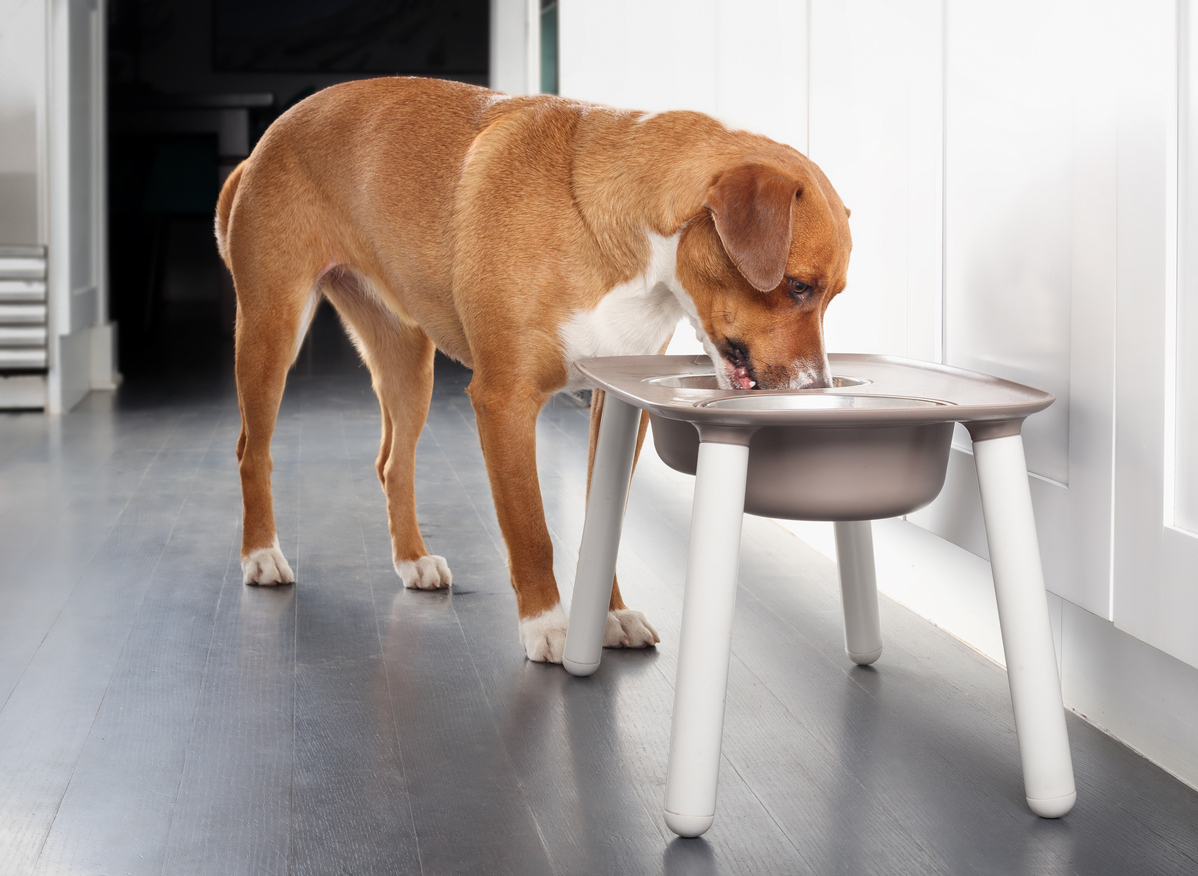
If your dog is drinking a lot of water, it is worth paying attention to how much they drink and whether they are urinating more frequently.
How Much Water Should a Dog Drink?
Most dogs drink approximately ½ to 1 fluid ounce (15–30 milliliters) of water per pound of body weight each day. For a 30-pound dog, that is roughly 2 to 4 cups of water daily.
Cornell University’s College of Veterinary Medicine provides additional information about excessive thirst and urination in dogs.
Common Reasons Dogs Drink More Water
Heat and exercise: Naples’ warm, humid climate can increase a dog’s need for water, particularly after walks or outdoor play. Dogs lose moisture through panting and need to replace those fluids.
Diet: Dogs eating dry kibble generally drink more water than dogs eating canned food, which contains considerably more moisture.
Medications: Certain medications, including corticosteroids such as prednisone and some diuretics, can increase thirst and urination. Never discontinue prescribed medication without consulting your veterinarian.
Medical Conditions That Cause Excessive Thirst in Dogs
A dog that drinks more water than is normal for its size, or suddenly begins drinking more than usual, may have an underlying medical condition.
Diabetes Mellitus
Dogs with diabetes cannot properly regulate blood sugar. Excess glucose passes into the urine, causing increased fluid loss and thirst. Other signs may include weight loss despite a normal or increased appetite, frequent urination, and reduced energy. You can learn more about diabetes in dogs and how it is treated at Town & Country Animal Hospital.
Kidney Disease
Kidney disease can make it harder for a dog to produce concentrated urine, leading to increased urination and thirst. Reduced appetite, weight loss, and vomiting may also occur. Town & Country Animal Hospital offers several options for diagnosing and managing kidney disease in dogs.
Cushing’s Disease
Cushing’s disease in dogs occurs when the body produces excessive cortisol. Common signs include increased thirst and urination, excessive hunger, panting, hair thinning, and a pot-bellied appearance. The condition is more common in middle-aged and older dogs.
Liver disease and some infections can also cause excessive thirst. In unspayed female dogs, increased drinking may be a sign of pyometra, a potentially life-threatening uterine infection requiring emergency care.
How Can You Tell If Your Dog Is Drinking Too Much?
If you suspect your dog is drinking more than usual, try measuring the amount of water consumed over 24 hours. Record how much water you provide and subtract what remains. Also note changes in urination, appetite, weight, or behavior.
Never restrict your dog’s access to water. Dogs with certain medical conditions need additional fluids to compensate for increased urination. Restricting water can lead to dangerous dehydration.
When Should You Contact Your Veterinarian?
If you notice a significant increase in how much water your dog drinks or how frequently they urinate, contact Town & Country Animal Hospital in Naples to schedule an examination.
Your veterinarian may recommend blood tests and a urinalysis to evaluate kidney function, blood glucose, urine concentration, and other indicators of disease.
If your dog collapses, shows signs of heatstroke, is unable to urinate, or develops severe weakness, seek emergency veterinary care immediately.