

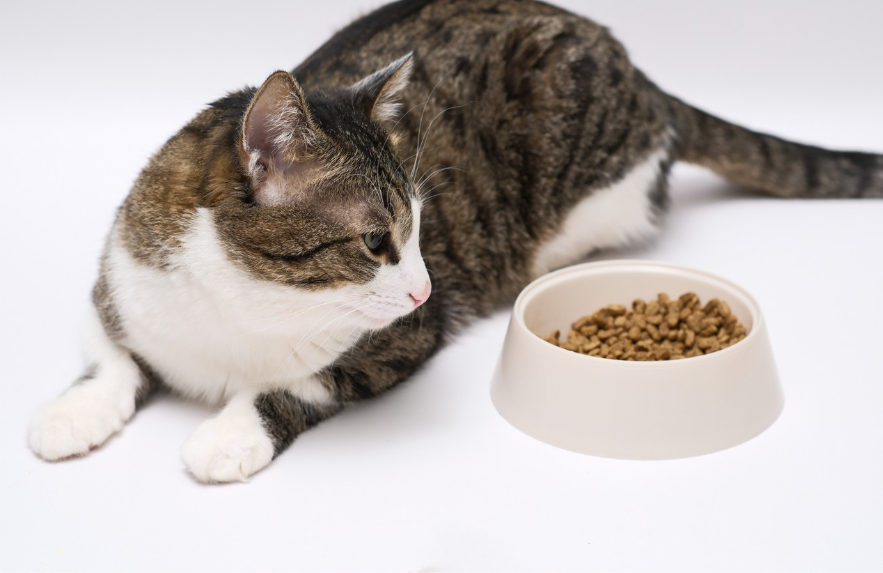
A cat not eating but acting normal can leave you unsure whether something is wrong. Even if your cat is still active and acting affectionate a reduced appetite may be an early sign of illness or pain.
A lack of appetite or not eating in cats for more than a day can be a cause of real concern. At Town & Country Animal Hospital in Naples our veterinarians will examine your pet to rule out any underlying physical abnormalities that may be causing a loss of appetite in your cat. Bloodwork or x-rays may be recommended to help further determine why your cat has lost its appetite. Depending on the underlying cause appetite stimulants may be prescribed or a prescription diet to help support you cat on their path to recovery.
What Can Cause a Cat to Stop Eating?
Common reasons include:
- Digestive problems: Nausea, constipation, intestinal illness, or pancreatitis.
- Other illnesses: Kidney disease, liver problems, or infections.
- Nasal congestion: A reduced sense of smell can make food less appealing.
- Dental disease: Cat’s often suffer silently with infected teeth. This can influence how much they eat.
- Stress or food changes: Visitors, travel, a new pet, or unfamiliar food.
- Medications: Side effects or a bitter taste may discourage eating.
When Does Your Cat Need Veterinary Care?
Call our office for a same-day appointment if:
- Your adult cat has eaten nothing for about 24 hours, even if your pet is acting normal.
- Your cat is eating very little or refusing food and also has vomiting, weakness, or unusual tiredness.
- A kitten that does not want to eat can quickly develop low blood sugar levels as they have little body fat.
- A cat with diabetes or another ongoing medical condition stops eating. Call as soon as you notice; do not wait 24 hours.
If your cat is eating slightly less than usual but otherwise seems well, call during office hours to discuss the change and schedule an examination. If your cat is eating very little or stops eating altogether, call that day so we can determine when an examination is needed.
Seek emergency veterinary care immediately if your cat:
- Has difficulty breathing or is breathing with an open mouth.
- Collapses, cannot stand, or is barely responsive.
- Repeatedly strains to urinate but produces little or no urine.
- Has severe pain or repeated vomiting and cannot keep water down.
Suspected poisoning requires an immediate call to our office or an emergency veterinary hospital, even if your cat seems normal.
If we are closed or cannot see your cat when same-day care is needed, call an emergency veterinary hospital for guidance. After-hours options are listed on our Useful Information page.
When a Cat Not Eating Becomes Dangerous
Hepatic lipidosis, or fatty liver disease, can develop after just a few days of little or no food, especially in overweight cats. Stored fat moves to the liver for energy and can accumulate, interfering with liver function.
Do not wait for weight loss or other symptoms before seeking care.
What You Can Do While Arranging Care
Record when your cat last ate normally and how much has been eaten since. Feed cats separately if needed to monitor intake.
Offer small portions of familiar food in a quiet location and provide fresh water. Gently warming wet food may encourage eating as a cat’s appetite is motivated by smell; make sure it is not hot.
Do not force-feed or give medications without veterinary direction. These measures should not delay needed care.
How We Evaluate Appetite Changes
We review your cat’s history, examine the mouth and abdomen, and assess hydration and weight. Depending on our findings, we may recommend blood work, urine testing, or imaging.
Treatment addresses the cause and may include relief for nausea or pain, fluids, and nutritional support.
Let Us Help Your Cat Eat Comfortably Again
If your cat is not eating or is eating less than usual, call Town & Country Animal Hospital at (239) 353-5060 to discuss your concerns and arrange an evaluation.